Paper-collage of ShapeScale, outlined in teal, versus Styku
Collage of real product photos

ShapeScale vs Styku

In a same-day test against DEXA, ShapeScale's body fat readings landed within 0.2 points for both founders tested, versus 5.9 points average for Styku.

0.2pt

ShapeScale's average distance from DEXA

ShapeScale
0.2 pt
Styku
5.9 pt

At a glance

ShapeScale compared with Styku at a glance
Criterion ShapeScaleStyku
Avg. deviation from DEXA 5.9 pt
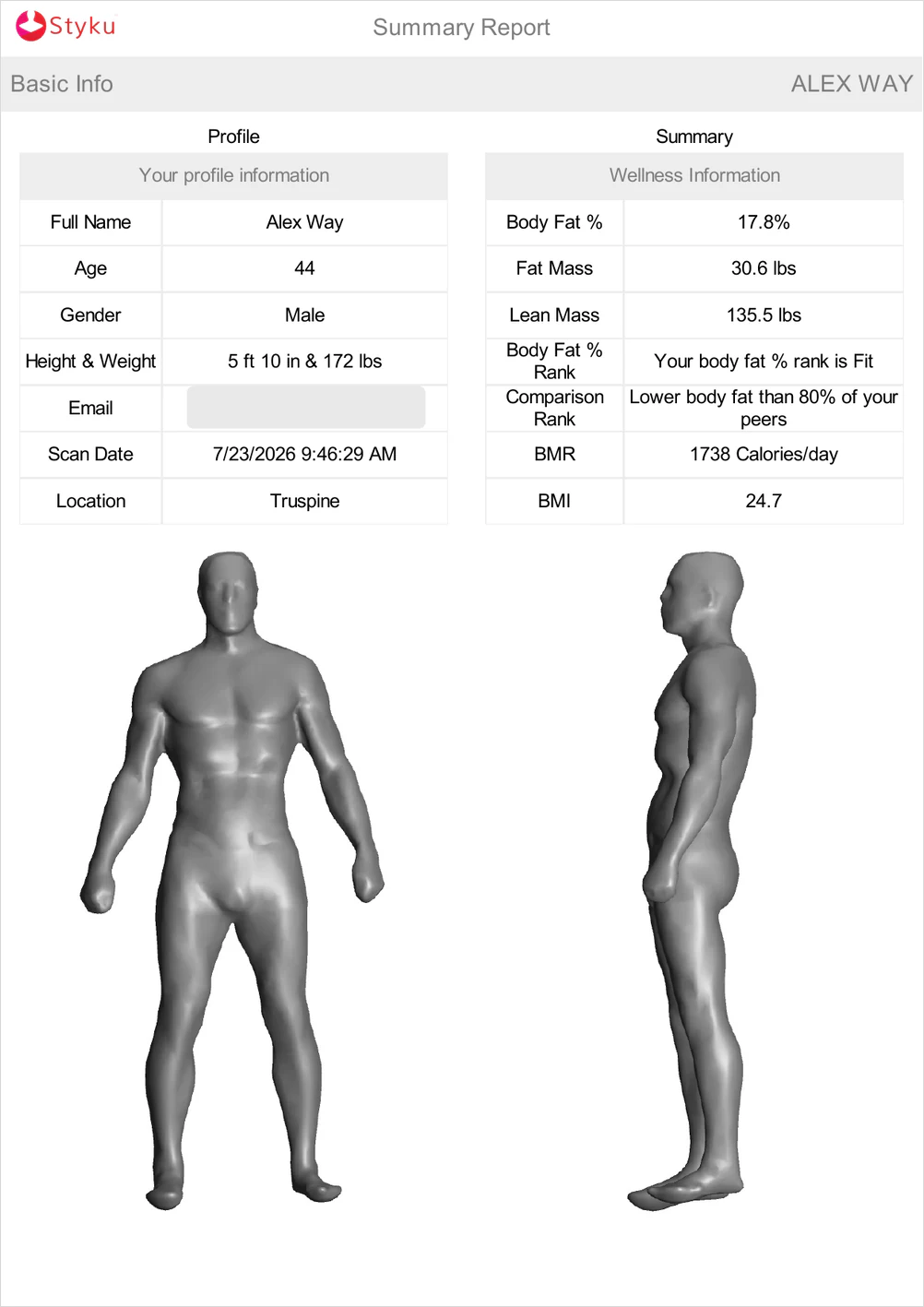
Visual output Low-quality monochrome 3D scan; single and before-and-after views.
Price $9,500 hardware one-time plus a $199/mo Access or $499/mo Elite software plan ($349/mo intro)

What switchers say

Dr. Jake Deutsch

“What ShapeScale provides is another level.”

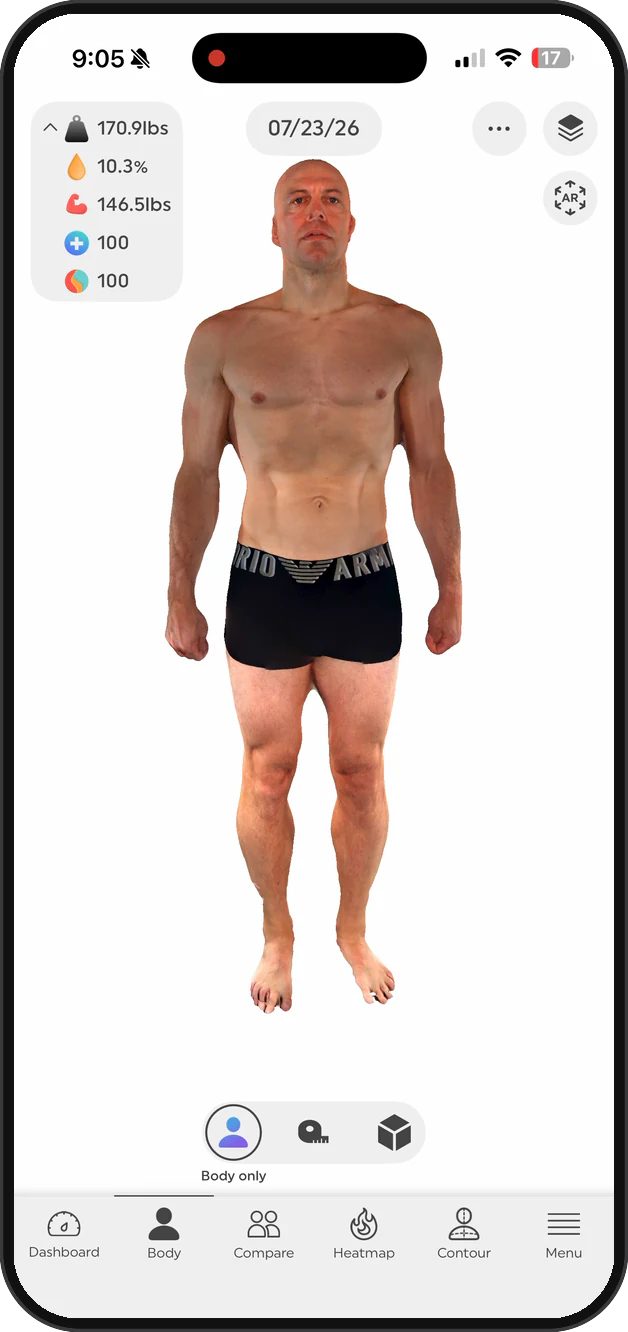
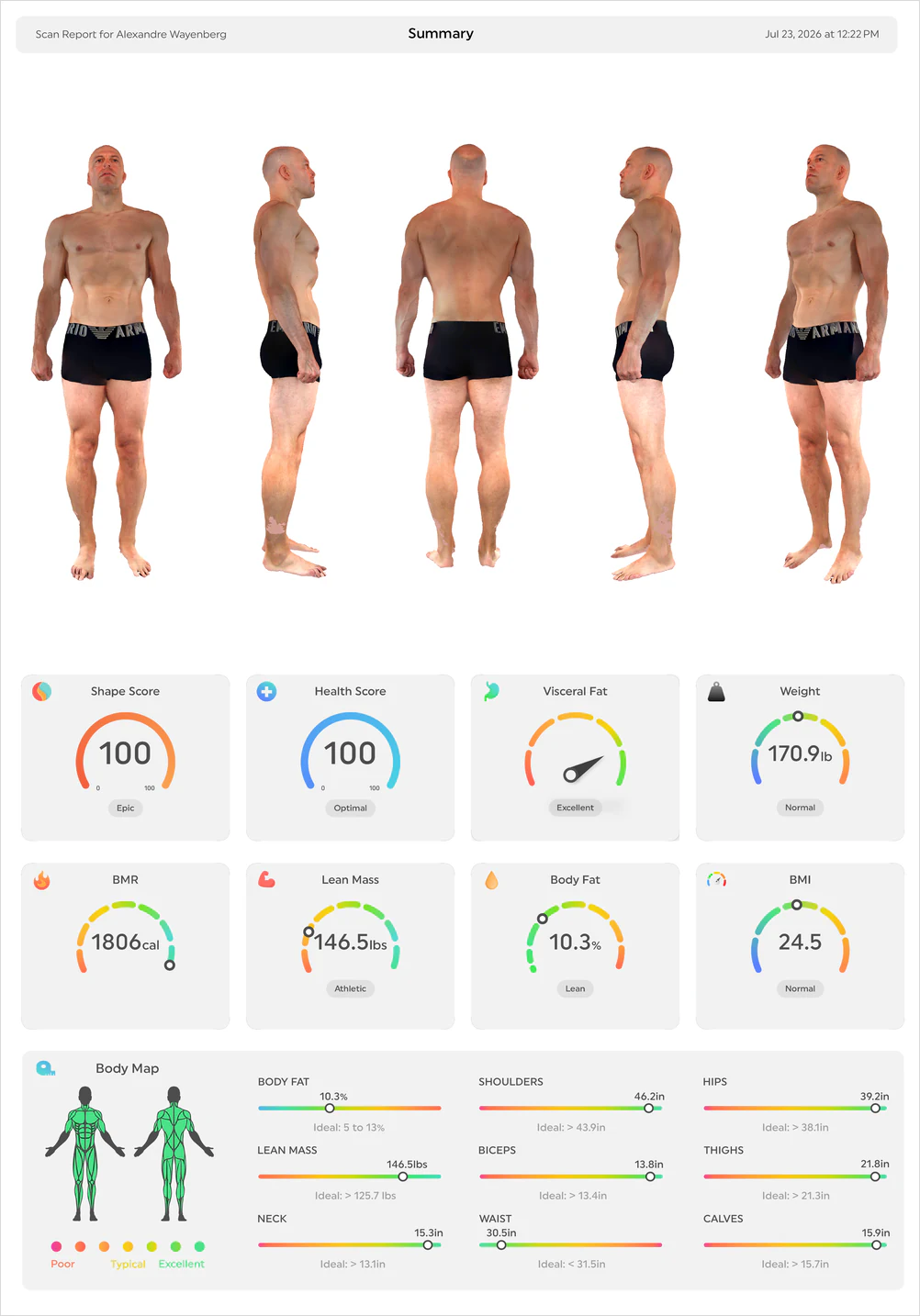
My previous scanner got less specific as patients got healthier. ShapeScale's body-composition analysis is far more accurate, and the images are photographic versus Styku, which looks like a gray blob. I depend on it every day to provide precision medical care.

Dr. Jake Deutsch Founder, Oakwood Precision Medicine, NYC. Switched from Styku
Trina Barr

“Visible, tangible, undeniable proof.”

ShapeScale provides a visible, tangible, absolutely undeniable metric of proof, and it quantifies into a dollar amount from the patient's investment. Styku felt underwhelming, clients said the avatar didn't look like them. ShapeScale actually looks like you.

Trina Barr Owner, Innovaes Med Aesthetics
Elon Rosenthal

“Fit3D was too big and imprecise. This isn't.”

Fit3D was too big and imprecise. ShapeScale gives us the precise measurements we need, and clients line up to use it again. We run ads with discounted scans to bring people in, and it opens them to our other services.

Elon Rosenthal Owner, Hydro Body Sculpt, Concord CA. Switched from Fit3D
Dr. Johnny Franco

“Currently the best thing on the market.”

ShapeScale is currently the best thing on the market because it doesn't just take measurements, it gives images that are relatable rather than a printout of numbers most of us aren't going to look at. It helps with retention, the people interested in this data are in it for the long term.

Dr. Johnny Franco Board-Certified Plastic Surgeon, FACS. Austin Plastic Surgeon
Dr. Peter Koltz

“A differentiator no one else in our area offers.”

This is a big tool, a differentiator that no one else in our area offers. The ability to quantify outcomes and show patients objective measurement changes, and the ability to close consults, has been better since instituting ShapeScale.

Dr. Peter Koltz Board-Certified Plastic Surgeon. Founder, pēkoMD
Randy Green

“Manual measurements are full of human error. This isn't.”

Manual measurements are less efficient, less consistent, less accurate, and more intrusive. ShapeScale is easier, more comfortable for clients, and eliminates human error. New clients get a baseline automatically, and existing clients keep seeing progress.

Randy Green Owner, Ultimate Fitness, Mill Valley

Trusted by 1,000+ locations

  • UCSF
  • PatientPoint
  • Milwaukee Bucks
  • OrthoCarolina
  • UFC Gym
  • Well Labs Plus
  • Treat Med Spa
  • Gameday Men's Health
  • DexaFit
  • pekoMD
  • Saltz Plastic Surgery
  • Pure Medical Spa
Y Combinator Summer 2015 Red Dot Award Winner 2025 Good Design Award Winner 2024

0.2 vs 5.9 points from DEXA.

ShapeScale averaged 0.2 points from DEXA, versus 5.9 points for Styku.

In a same-day, back-to-back comparison against DEXA, ShapeScale was the only device to land close to the reference body fat % for both participants, making it the most accurate against the gold standard.

  • ShapeScale 0.2 pt avg. deviation
  • Styku 5.9 pt avg. deviation
DEXA-referenced body fat % by participant, same day, back to back
Participant GE Lunar iDXA (reference) ShapeScaleStyku
Alex
ShapeScale co-founder
10.1% 10.3% Closest to DEXA for Alex
+0.2 pt
17.8%
+7.7 pt
Martin
ShapeScale co-founder
16.7% 16.9% Closest to DEXA for Martin
+0.2 pt
20.7%
+4.0 pt

Alex and Martin, the two participants in this test, are ShapeScale's co-founders.

A note on scope: this comparison covers two people, which is not a statistically significant sample, and we don't present it as a clinical validation. We ran it to compare every scanner directly: same people, back to back, same day, same body conditions.

Eight ways the devices differ

ShapeScale compared with Styku across eight criteria
Criterion Recommended ShapeScale Styku
01. Client experience of the scan 30–40 seconds on a turntable (Styku spec sheet). The client rotates, so swaying or losing balance is a risk.
02. Visual output Low-quality monochrome 3D scan; single and before-and-after views.
03. What the device measures
Styku · 14 metrics
  • BMI
  • BMR
  • Body fat % & mass
  • Visceral fat (lbs & in²)
  • Subcutaneous fat
  • Android & gynoid fat
  • Lean mass
  • Segmental lean mass
  • ALM & ALSTI
  • Bone mass
  • Circumferences
  • Total & regional volumes
  • Posture/silhouette analysis
  • Shape Score
04. Data presentation Health Screen results are sold as a paid in-app upgrade (styku.com/pricing). Needs staff interpretation due to too much data.
05. Retention power High A gray avatar isn't something clients look forward to seeing change. Moderate
06. Shareability / marketing power High Few clients post a gray avatar. Moderate
07. Trust & perceived authority Two-piece device, dated PC setup, low accuracy.
08. Pricing $9,500 hardware one-time plus a $199/mo Access or $499/mo Elite software plan ($349/mo intro)

What clients and staff actually see

Styku (desktop first)

Styku desktop Summary Report showing a monochrome front and side avatar
Styku's desktop Summary Report, with a monochrome front and side avatar.
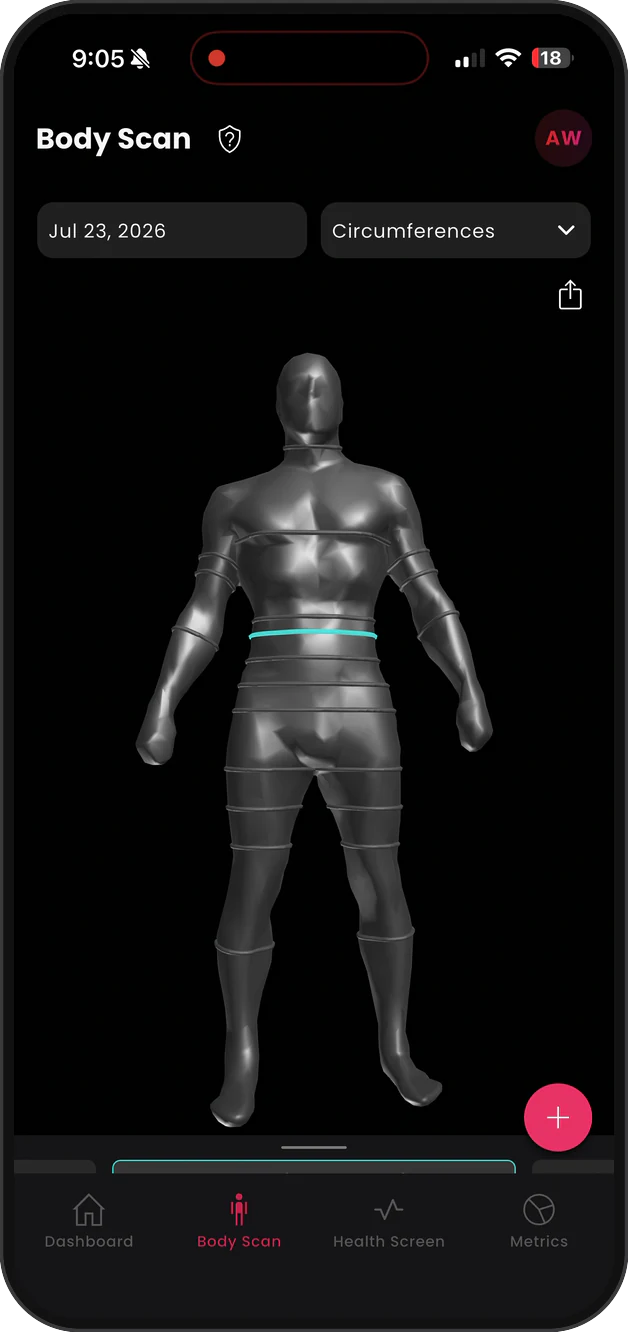
Styku mobile app Body Scan screen showing a monochrome avatar
Styku's mobile app Body Scan screen, showing the same monochrome avatar.

What's actually on the floor

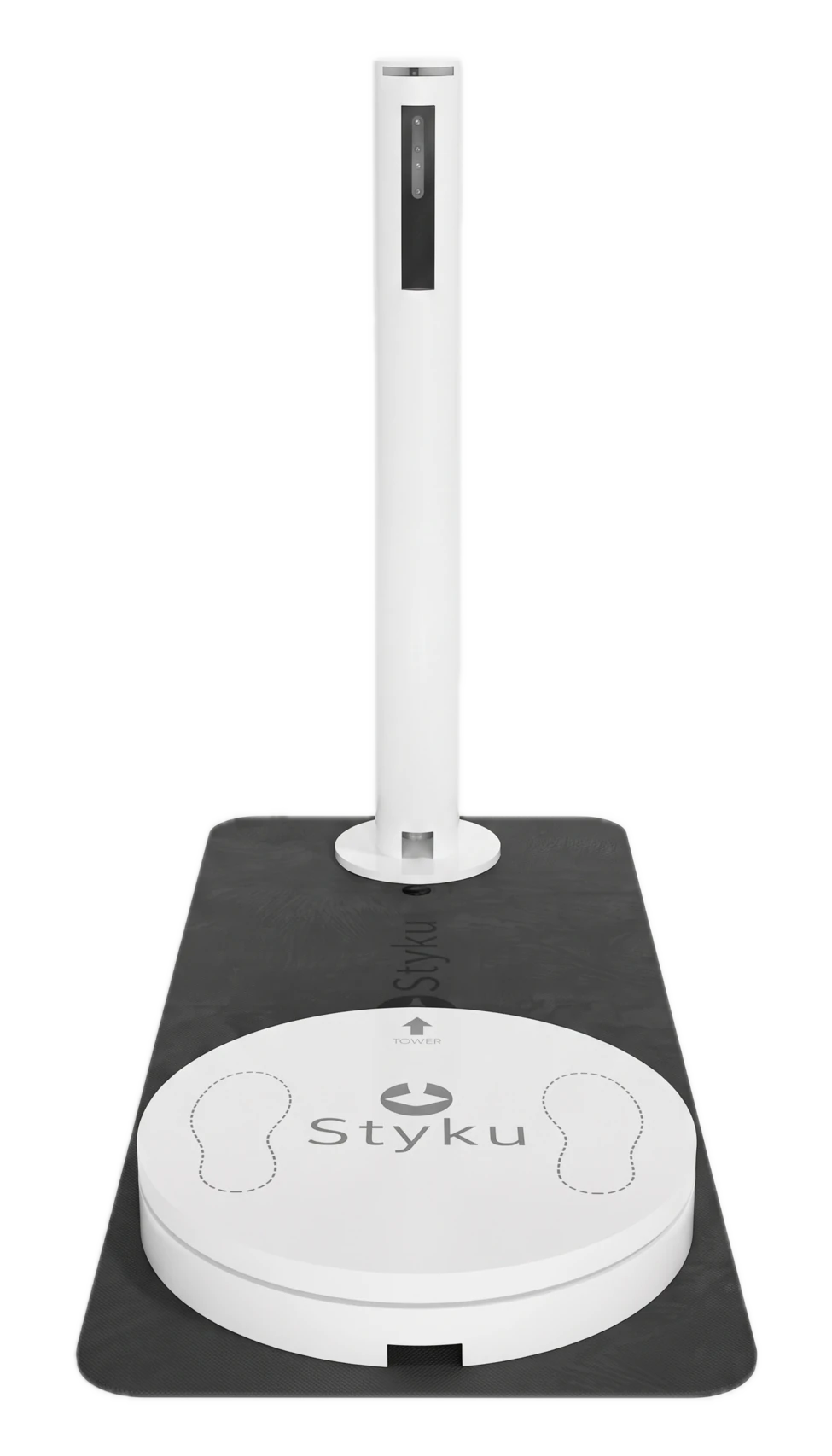
Styku 3D body scanner: a white pole scanner paired with a separate white turntable on a floor mat
3D optical scan (turntable) Styku A two-piece 3D optical scanner. The client stands on a separate turntable and rotates in front of the pole-mounted sensor.

Up close: built to sit out front

Close-up of the ShapeScale telescoping arm
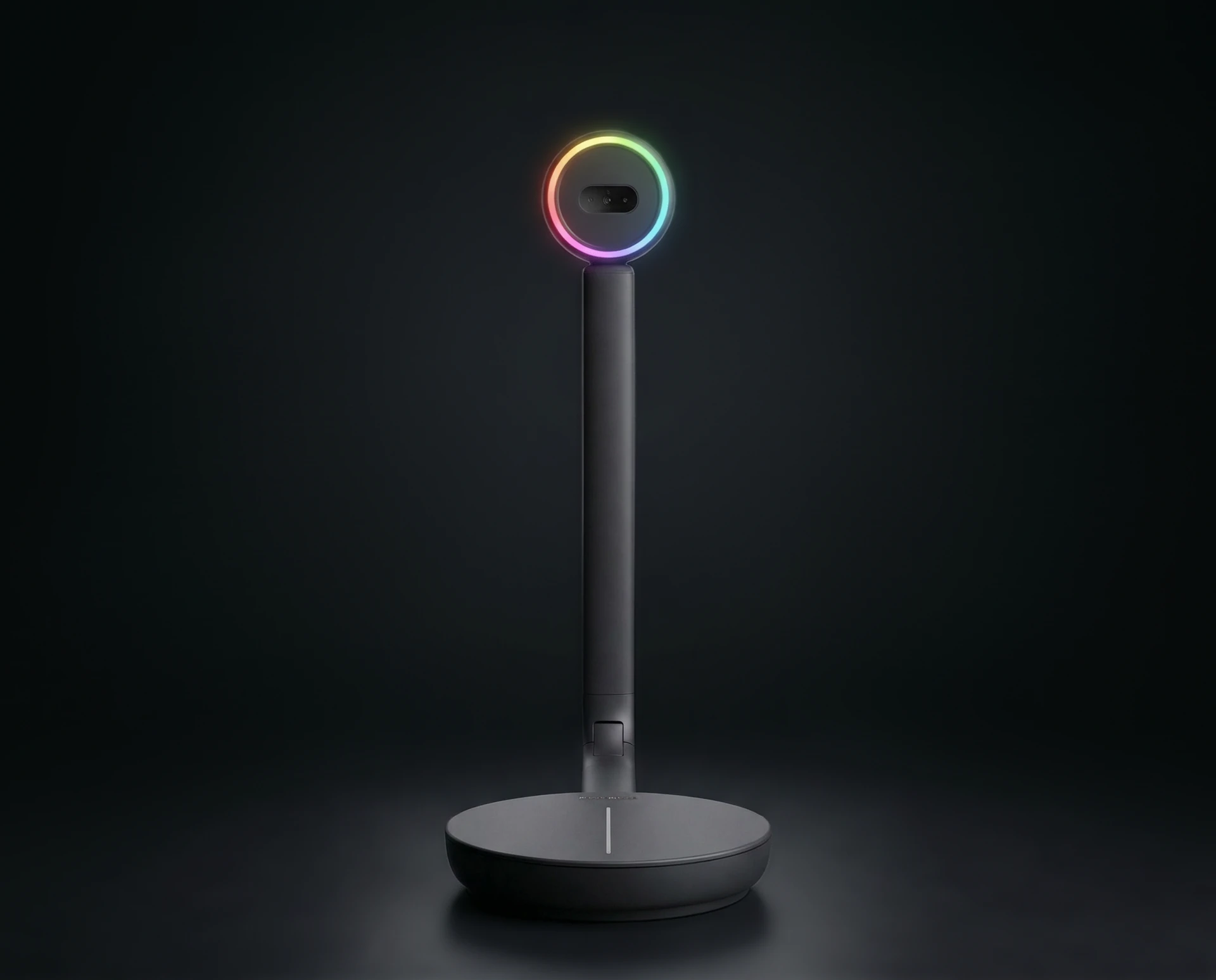
Close range, every angle The arm circles your client at a steady 50 to 60 cm, so the whole body is captured from the same close distance.
Close-up of the ShapeScale platform edge
A scale built into the platform Clients step on and stand still. Weight is recorded during the same scan, so there's no separate scale step.
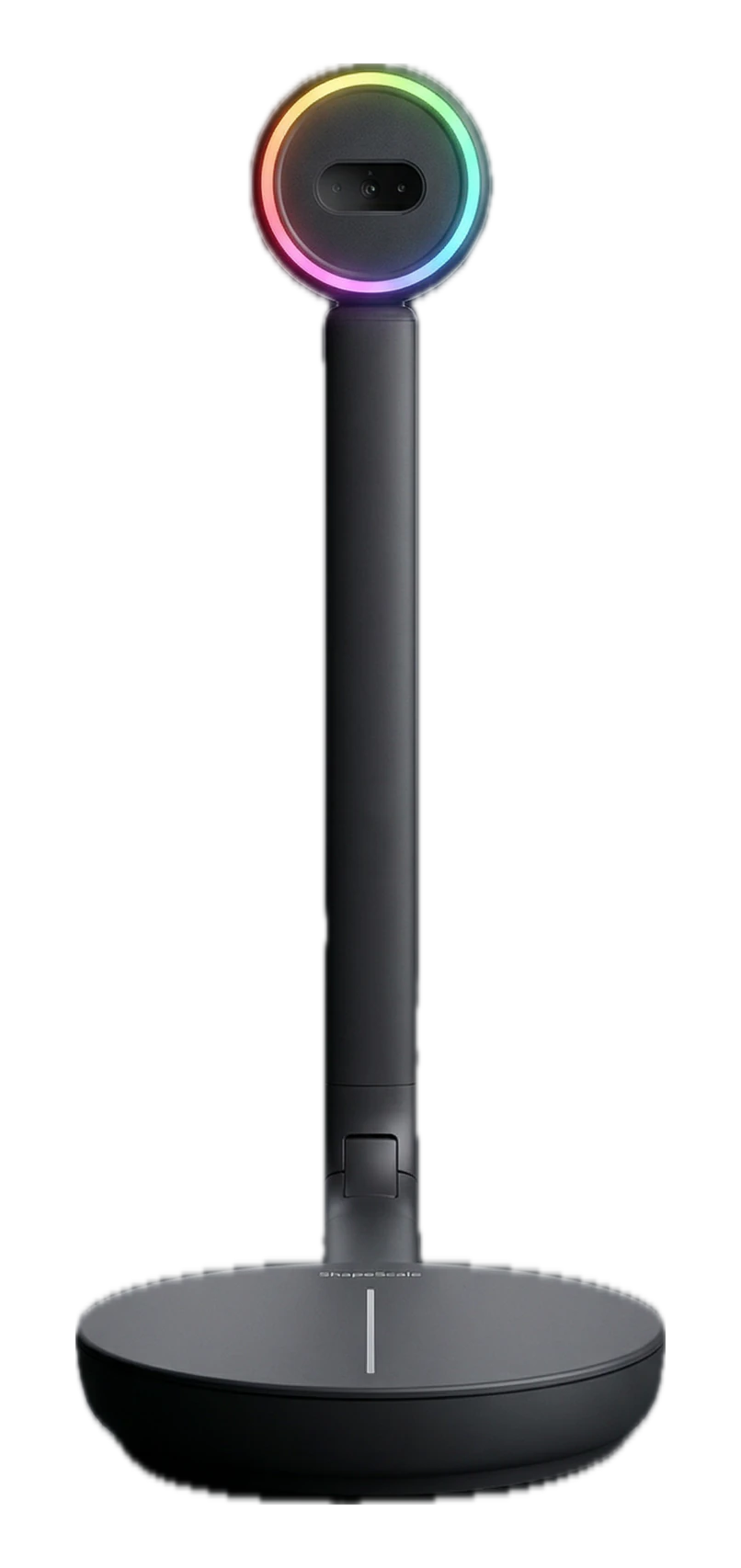
Close-up of the back of the ShapeScale sensor head
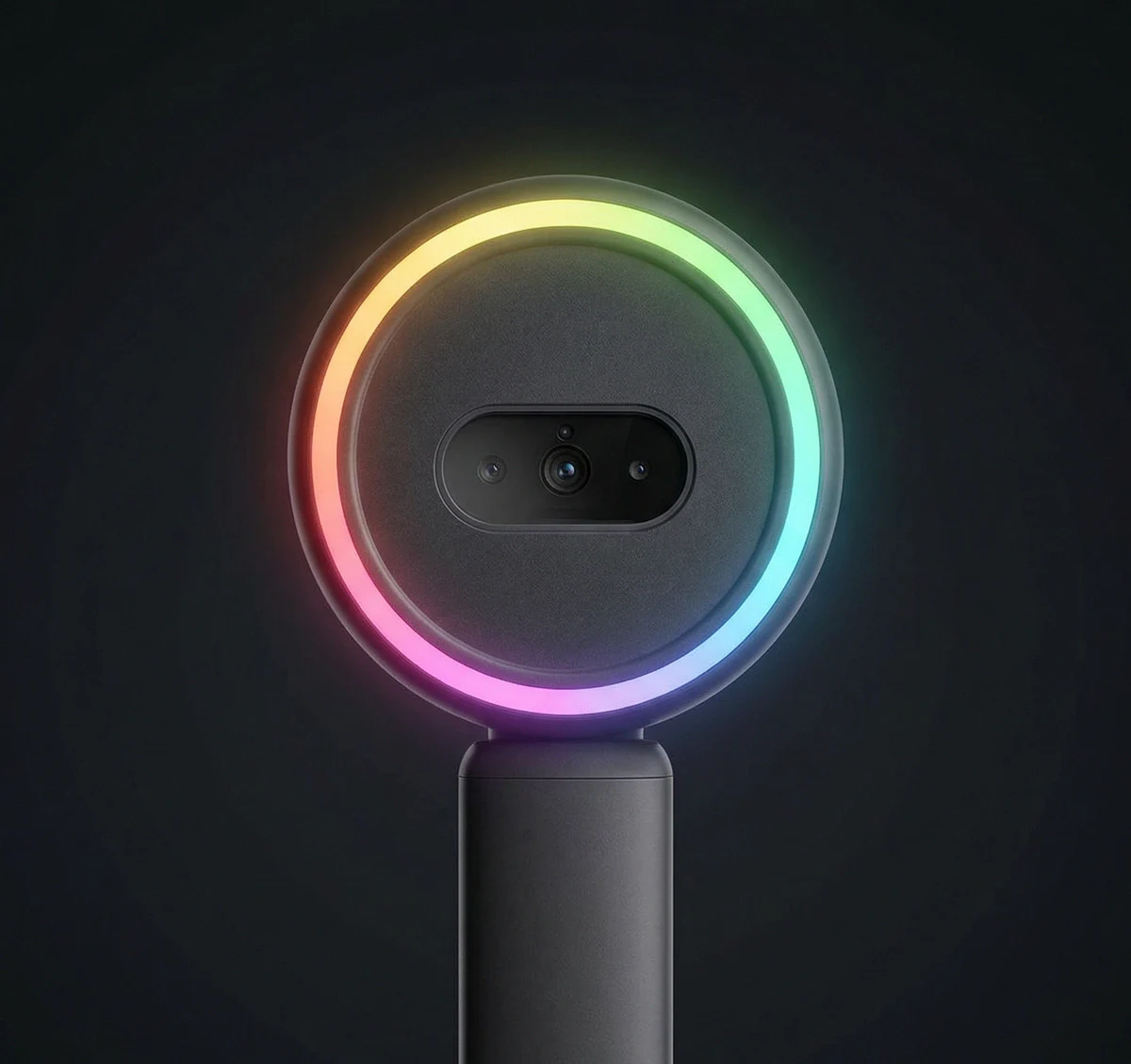
One sensor head, two kinds of vision Infrared depth sensors map body shape while a 12MP color camera captures a photorealistic model. Light only, no radiation.
Close-up of where the ShapeScale arm meets the base
An arm that telescopes and folds It extends to each client's height, then folds down low when the scan is done. It needs about 5 ft of clear floor.

Switch path

Don't switch. Audition it.

Run it next to your current device during the 45-day return period. Keep whichever earns the room.

The audition terms

30-minute demo

on your kind of cases.

Install in under an hour

one outlet.

Front desk runs it

from day one.

Common questions

How accurate is ShapeScale compared to DEXA versus Styku?

In a same-day test against the GE Lunar iDXA, ShapeScale averaged 0.2 points from the reference body fat %, versus 5.9 points for Styku.

Who ran the DEXA accuracy test, and how?

Alex and Martin, the two participants in this test, are ShapeScale's co-founders. The test ran same day, back to back against a GE Lunar iDXA reference scan. A note on scope: this comparison covers two people, which is not a statistically significant sample, and we don't present it as a clinical validation. We ran it to compare every scanner directly: same people, back to back, same day, same body conditions.

How does ShapeScale's price compare to Styku?

ShapeScale is $9,990 one-time, or $299/mo on the 12-Month Plan, or $199/mo billed annually; software included (ShapeScale live pricing page, checked 2026-11-12). Styku is $9,500 hardware one-time plus a $199/mo Access or $499/mo Elite software plan ($349/mo intro) (styku.com/pricing, checked 2026-11-12).

What's the client experience and data like on Styku versus ShapeScale?

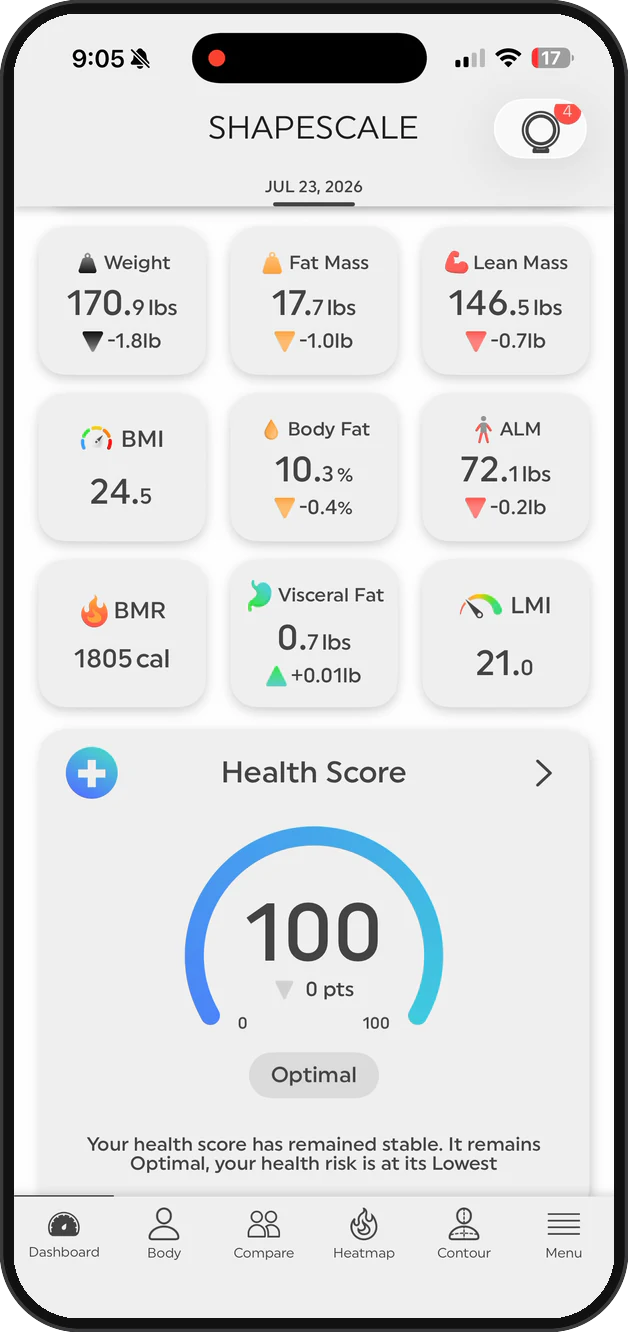
ShapeScale: Under a minute. The sensors rotate while the client stands still: no balance risk or dizziness. Facial recognition auto check-in. It measures Body weight, BMI, BMR, Body fat % & mass, Visceral fat (lbs), Lean mass, Lean Mass Index, Appendicular Lean Mass (arms & legs), Circumferences, Regional volumes, including separate upper-arm and forearm volumes, Shape Score, Health Score. Styku: 30–40 seconds on a turntable (Styku spec sheet). The client rotates, so swaying or losing balance is a risk. It measures BMI, BMR, Body fat % & mass, Visceral fat (lbs & in²), Subcutaneous fat, Android & gynoid fat, Lean mass, Segmental lean mass, ALM & ALSTI, Bone mass, Circumferences, Total & regional volumes, Posture/silhouette analysis, Shape Score.

Is this comparison a clinical validation?

A note on scope: this comparison covers two people, which is not a statistically significant sample, and we don't present it as a clinical validation. We ran it to compare every scanner directly: same people, back to back, same day, same body conditions.

See it on your own data.

Book a 30-minute demo to see how ShapeScale fits your business, clients, and workflow.